Asymmetries and sports injuries
Advanced diagnostic equipment and tests are used to assess anatomical, motor and functional asymmetries. The research examines how these differences relate to injuries in athletes at different competitive levels.
ASPORT — NPOO
Diagnostics, monitoring and an understanding of body asymmetries to support sports injury prevention.
Research in focus
ASPORT investigates the relationship between anatomical, motor and functional asymmetries and sports injuries. It combines contemporary diagnostics with monitoring of athletes at different competitive levels to build a more complete picture of their health and factors associated with injury.
The research focuses on athletes, their individual characteristics and changes that can be monitored over time.
What we investigate
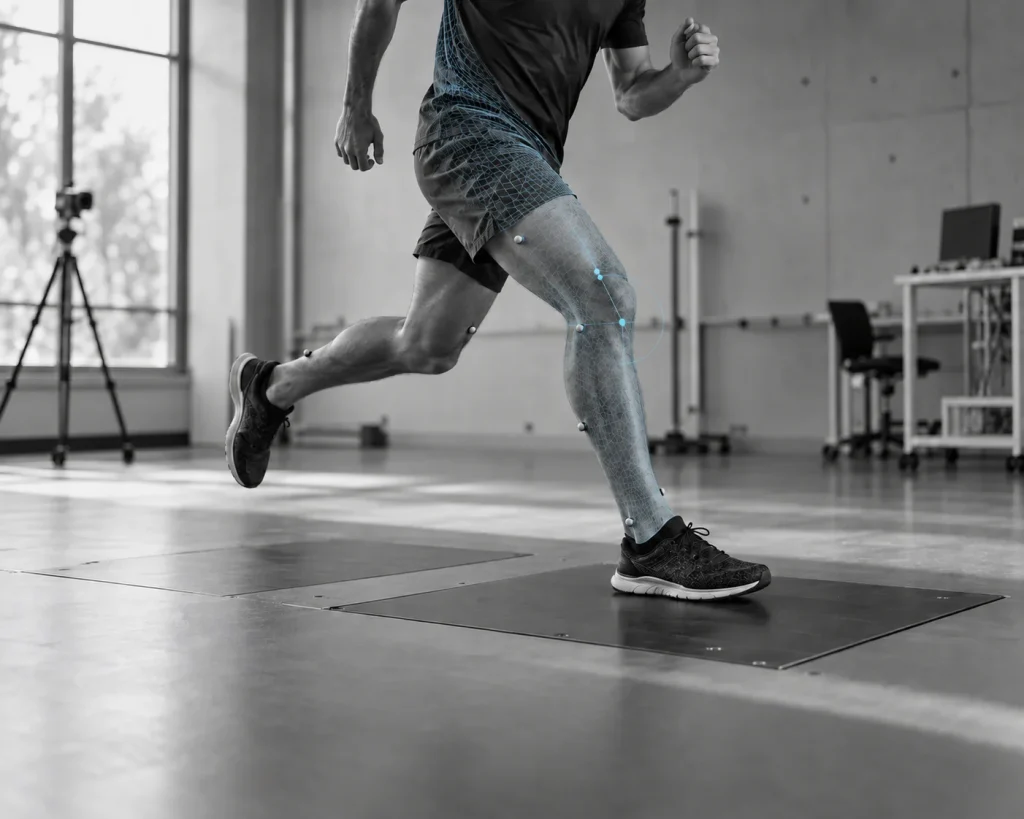
Advanced diagnostic equipment and tests are used to assess anatomical, motor and functional asymmetries. The research examines how these differences relate to injuries in athletes at different competitive levels.
The project includes translation, cultural adaptation and validation of the OSTRC-H2 and OSTRC-O2 questionnaires. These instruments are intended to support more precise monitoring alongside diagnostic measurements.
In addition to asymmetries, the project examines sociodemographic, anthropometric, psychological and training variables. This approach brings several groups of data together in the study of sports injuries.
How we investigate
The methodological framework uses a prospective cohort design: athletes are followed over time to investigate relationships between their characteristics and the occurrence of injuries.
Expected contribution
Combining diagnostic procedures, digital monitoring and multidimensional analysis is expected to advance the understanding of sports injuries.
The research aims to contribute to identifying key risk factors and monitoring athlete health more precisely, creating a foundation for personalised prevention strategies and sustainable monitoring in sport.
The project aims to analyse the relationship between anatomical, motor and functional asymmetries and the occurrence of sports injuries, using contemporary diagnostic procedures and monitoring athletes at different competitive levels. The project will include translation, cultural adaptation and validation of the OSTRC-H2 and OSTRC-O2 questionnaires to enable precise monitoring of athletes’ health.
Advanced diagnostic equipment and tests will also be used to assess athletes, focusing on anatomical, motor and functional asymmetries and their relationship with injury. The research will examine additional factors associated with sports injuries, including sociodemographic, anthropometric, psychological and training variables.
The methodological framework is based on a prospective cohort design. All collected data will be integrated into a digital repository to support long-term sustainability and access to results. Particular emphasis is placed on digitising all stages of the research and actively involving early-career researchers in data collection, processing and analysis.
By combining contemporary diagnostic procedures, digital monitoring and multidimensional analysis of athletes, the project is expected to advance scientific understanding and the practical prevention of sports injuries. The results are intended to support precise health monitoring and the identification of key risk factors, laying the foundations for personalised prevention strategies and a sustainable monitoring system in sport.
Adjust how the page is displayed. Settings are remembered in this browser.